

How to Choose a Plant Pot and Saucer: Size, Fit and Drainage
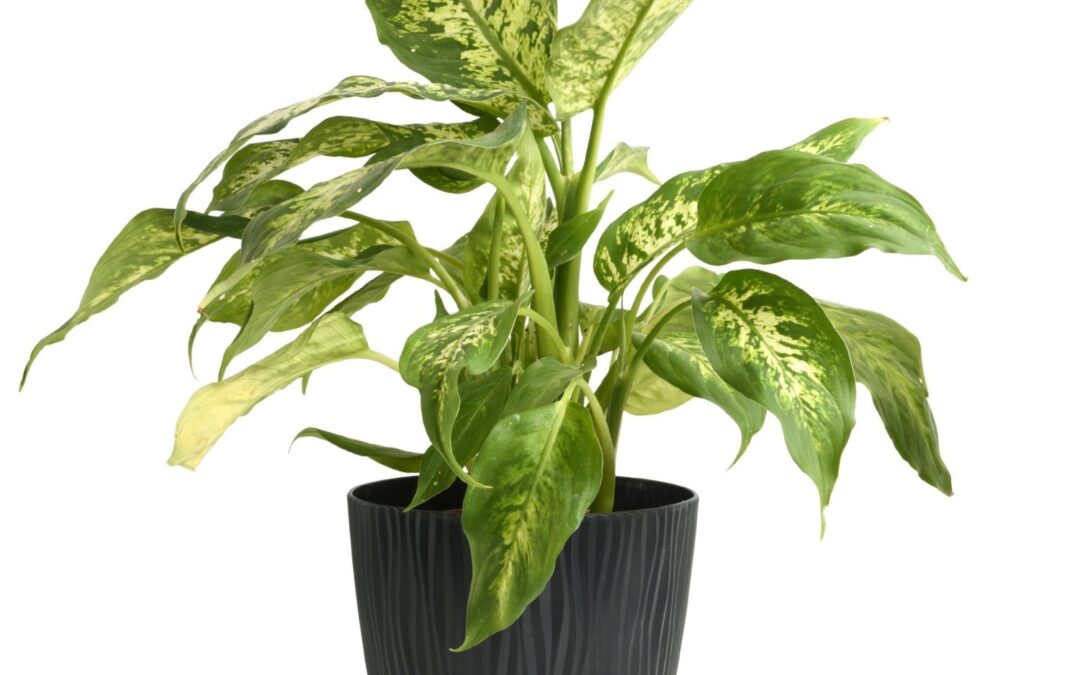
A plant pot can look the right size in a photograph yet be too wide for a shelf, too shallow for an existing nursery pot or supplied without the saucer you expected. Before choosing a colour or finish, compare the pot, the plant and the surface where they will stand. A few measurements make the options much easier to narrow down.
1. Decide how you will use the pot
First decide whether you will plant directly into the new container or keep the plant in its existing nursery pot inside a decorative cover. These are different fit checks. For direct planting, look at the rootball and drainage. For an outer cover, measure the nursery pot across its widest point and from its base to its rim.
A cover that is just wide enough at the top may narrow towards the bottom. If the listing does not give internal dimensions, do not assume an existing pot will fit from the external diameter alone. Ask for the missing measurement before ordering when clearance is tight.
2. Compare diameter and height together
Read the full size label rather than choosing by litres or the photograph. Diameter describes width; height tells you how much vertical space the pot needs. Neither measurement automatically tells you the size of the base, the internal opening or the finished height of the plant display.
For example, our wave-texture round plant pot with saucer lists options including D12.9cm H12cm and D18.8cm H17.5cm. Select a size and colour on the product page to check the current price and availability. Use the dimensions for your selected option rather than an unselected product summary.
Measure shelf depth, windowsill width and any height limit above the plant. Include the saucer in the footprint. A labelled capacity is useful for comparison, but it does not replace these measurements or mean that the same amount of compost must be added.
3. Check the saucer against the base
A saucer needs to support the bottom of the pot, not match its widest top rim. When buying separately, compare the pot-base diameter with the usable flat area inside the saucer. Its raised edge can make that area smaller than the saucer’s overall width.
Check the product contents too. The wave-texture listing includes a flower pot and pot saucer, so there is no need to add another saucer for the same set unless you want a spare. Other listings may sell pots, covers, inserts or saucers separately. Compare the selected pack contents before paying.
Browse planting pots to compare container styles, and pot saucers when you need a separate tray. A matching colour is a visual choice; it is not evidence that two separately listed items have matching dimensions.
4. Plan drainage for the location
For direct planting, check whether the chosen container has drainage holes and how excess water can escape. The wave-texture product information states that it has pre-drilled holes. Do not assume every decorative pot or cover has the same construction.
The RHS advises choosing a container only slightly larger than the rootball, or using several plants in a larger container, rather than surrounding a small plant with too much damp compost. Its container-growing guide also explains the importance of clear drainage holes and removing outdoor saucers before winter to avoid standing water.
Indoors, inspect the saucer and the surface beneath it after watering. A pot-and-saucer set is not a guarantee that a shelf or floor will stay dry if the tray overflows. Choose a position where you can lift the pot and check it without difficulty.
5. Choose a finish after checking the practical fit
Once the dimensions work, compare the finish and colour with the room or planting area. The wave-texture range is listed in plastic with a matt finish and several colour options. The image may show a different size or colour from the option currently selected, so read the option labels as well.
Allow for routine care rather than only the empty-pot appearance. The RHS container-maintenance advice recommends checking moisture more often in warm or windy conditions. Keep access for watering and inspection when arranging several pots together.
6. Run this check before ordering
Confirm the selected colour, diameter and height; the space available beneath and around the pot; whether you need internal measurements; whether the saucer is included; and how drainage will work in that location. Then check the selected option’s availability and the quantity in your basket. This avoids choosing a container by appearance alone.
For more practical buying checklists, return to Guides & Advice.